Pennsylvania
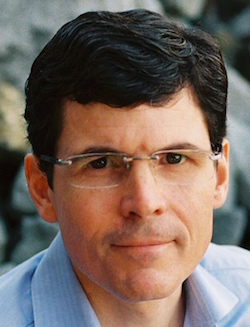
native John Benedict graduated cum laude from
Rensselaer Polytechnic Institute and entered post-graduate training at Penn
State University College of Medicine, where he completed medical school, internship,
anesthesia residency and a cardiac anesthesia fellowship. Benedict currently
works as an anesthesiologist in a busy private practice in Harrisburg,
Pennsylvania.
Links: http://johnbenedictmd.com/ https://twitter.com/johnbenedictmd https://www.facebook.com/groups/253647318120087/
What’s inside
the mind of a medical thriller author?
The
cool part about being a medical thriller author is that there are just so many
clever ways to kill people in a hospital setting. Plus there is always lots of drama, big egos
and life and death scenarios that play out on a daily basis in the operating
room. This makes for great characters
and exciting backdrops for my stories.
Finally, most readers don’t exactly know what takes place in a modern
OR, especially when it comes to the anesthesia end of things (where I
specialize), so this can add realism and interest to a story.
What is so great
about being an author?
The
best part of being an author is receiving a glowing review from a reader: loved
it, stayed up all night reading it, new favorite author, will definitely read
anything by this author, etc.
When do you hate
it?
The
worst part of being an author is to endure obligatory one-star reviews or
rejection letters.
What is a
regular writing day like for you?
I
like to write in the morning in a quiet place in the library with a large
coffee and treat.
I
only work for about three hours before I start to lose focus and must tend to
work/ family matters.
Do you think
authors have big egos? Do you?
Most
authors that I know believe their work is good or they would never have made it
through all the difficulties and dry-spells writing often brings. But they also have fragile egos. They crave praise for their work and can
never receive enough. Most are usually stung
by criticism and are thin-skinned. All
of this is true for me.
How do you
handle negative reviews?
Poorly. As I mentioned, most writers that I know tend
to be thin-skinned. It usually takes me
a day or two to get over a bad review.
Receiving some very positive reviews is also a great way to counter the
haters. And I remind myself that even
the great writers like Stephen King or Dean Koontz all receive roughly 10%
minimum abysmal reviews. You simply
can’t please everyone and there’s always a minority fringe that will be happy
to trash your work. If you are getting a
majority of 5-star reviews or are selling books, you are winning.
How do you
handle positive reviews?
As
I mentioned, these are what I live for.
They make my day and help give me the validation I need to write the
next book.

What is the
usual response when you tell a new acquaintance that you’re an author?
Most
people are very interested because I find that the majority of folks feel they
would like to write a book too. They’re
looking for some encouragement or how-to tips.
Next on the list is: Are your characters based on real life people? Who?
Finally, where do you get your ideas for stories?
What do you do
on those days you don’t feel like writing? Do you force it or take a break?
No,
I don’t force it. Instead, I gravitate
to the marketing end of things. There
are always a million emails to write, blogs to participate in, all in an effort
to help get the word out about your books. I also spend time writing back to
friends and fans who have written to me about my stories.
Any writing
quirks?
When
I’m seriously into the plotting of a novel, I like to spread out chapter
folders on a big table so I can visualize the time sequences and connections of
many different chapters at once. It’s
hard to see the big picture when you’re just viewing one page on your computer
screen.
What would you
do if people around you didn’t take your writing seriously or see it as a
hobby?
I
would strive to show them with results that the writing is serious
business. Most people around me can tell
by the enormous time investment that goes into writing that it is a serious
endeavor.
Some authors
seem to have a love-hate relationship to writing. Can you relate?
Yes,
I think it’s tied into the fragile ego concept I spoke of earlier. When readers like your stuff, you’re on cloud
nine and all the work and time spent is forgotten. You bask in the adulation
and the praise like they are drugs.
Similarly, when reviews are bad or sales become sluggish, you begin to
question everything and can become depressed.
The biggest fear is that you are wasting your time producing rubbish.
Do you think
success as an author must be linked to money?
No. For me the greatest success is getting your
books out there in large numbers and pleasing a majority of readers.
What had writing
taught you?
I’ve
learned to believe in myself even when no one else does. I’ve also learned the power of
perseverance. Finally, I’ve learned that
writing a good book is probably less than half the battle. Getting it published and successfully
marketing it may be even more important.
Leave us with
some words of wisdom.
Nothing
worthwhile in life is quick or easy.
Writing is no different. Expect
to spend a long time learning the craft and improving upon it. Don’t expect to become famous overnight or
make a lot of money easily. The best
advice I can give a would-be novelist is this: You shouldn’t write because you
want to make millions or become a household name—you’ll likely be disappointed.
Rather,
you should write because you enjoy the process and feel the need to tell a
story. Let the results take care of
themselves.
////////////////////////////////////
Title:
Adrenaline
Genre:
medical thriller
Author:
John Benedict
Website:
http://johnbenedictmd.com
Publisher:
CreateSpace
About
the Book:
When patients start dying unexpectedly
in the O.R. at Mercy Hospital, anesthesiologist Doug Landry finds himself the
focus of the blame. Is he really incompetent or is there something more
sinister going on? As Doug struggles to clear his name and unravel the secret
of the mysterious deaths, it becomes clear that someone will stop at nothing to
keep him from exposing the devastating truth. Doug becomes trapped in a grisly
race against time to prevent more deaths—including his own.
From the boardroom to the recovery room
to the thrilling climax in the operating room, ADRENALINE is
a heart-pounding, adrenaline rush of suspense, action and intrigue in
an extremely realistic setting. If you like the novels of Robin Cook and
Tess Gerritsen, ADRENALINE will leave you breathless.